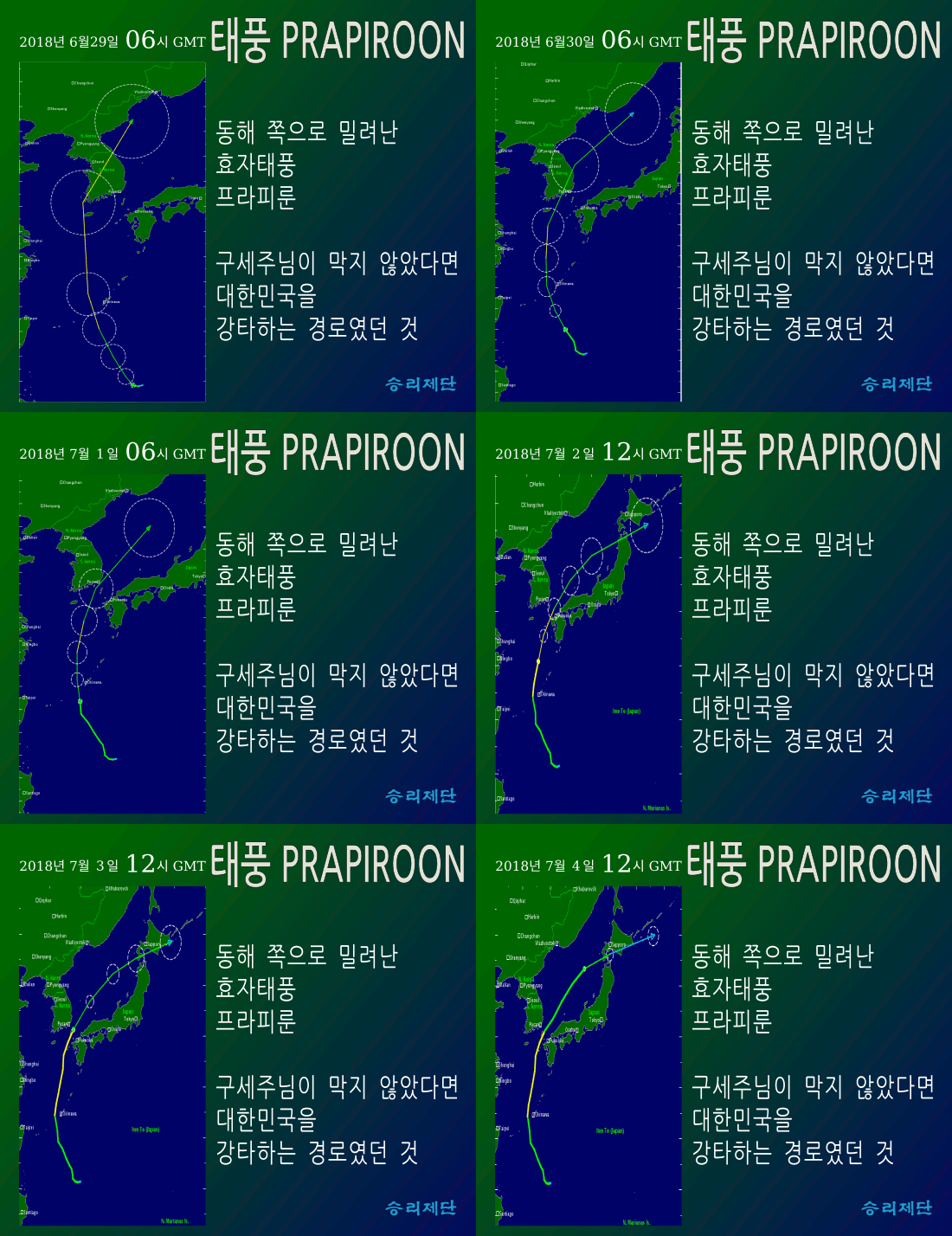
I will protect Korea from the typhoons blowing
Year after year, the Korean Peninsula faces the threat of powerful typhoons. However, a remarkable pattern emerges: many of these storms weaken significantly or change course. This spares the nation from their full destructive force. This post presents compelling visual evidence, highlighting how Korea is protected from typhoons, often through what appears to be divine intervention. We invite you to observe these meteorological phenomena and consider the extraordinary safety experienced by the region.
2022
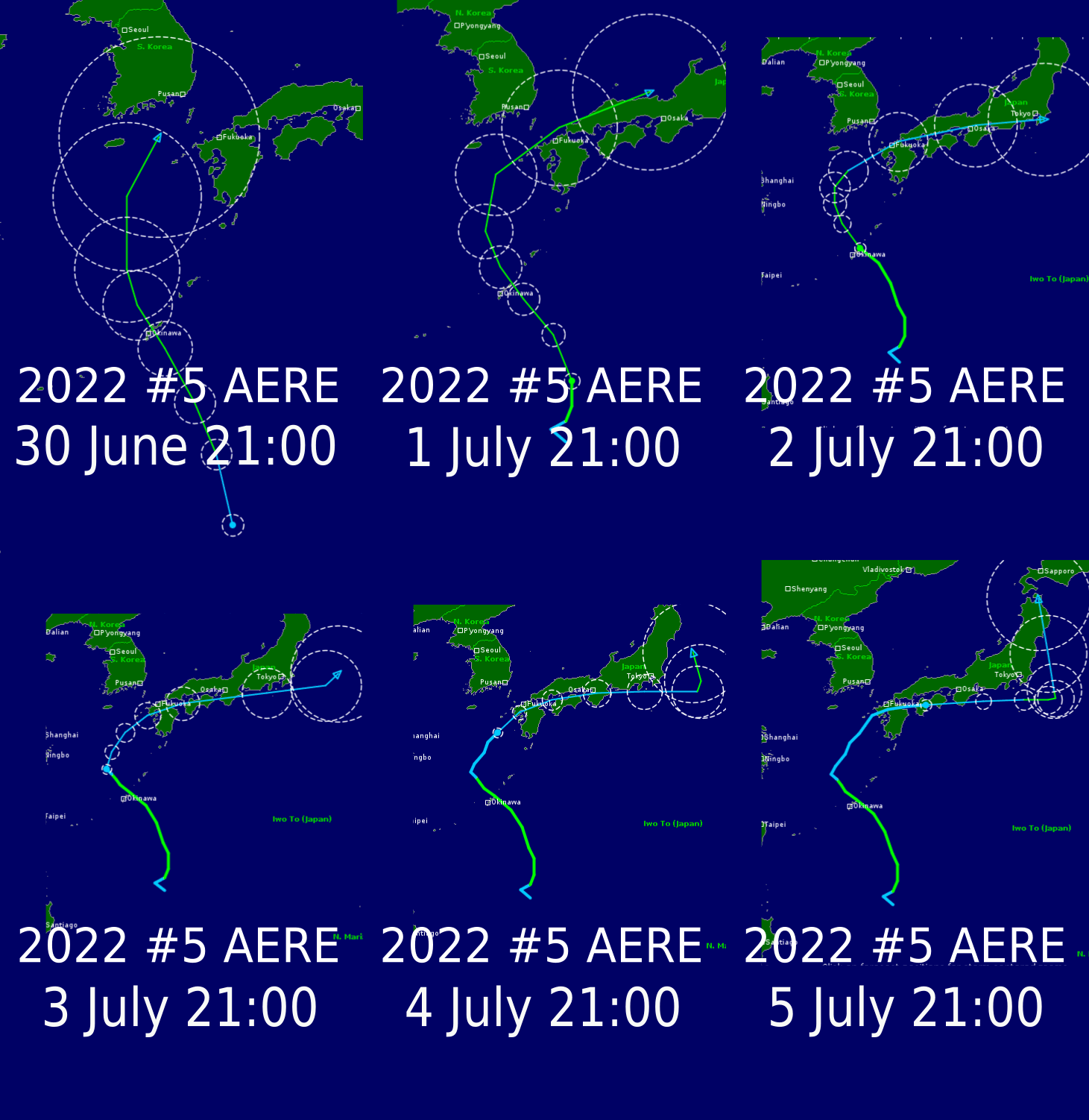
In 2022, we again witnessed instances where potential threats diminished. For example, Typhoon Aere, as shown above, demonstrated a path that ultimately minimized its impact on the Korean Peninsula. This consistent pattern reinforces the belief that Korea is protected from typhoons. Even when forecasts suggest severe outcomes, such events provide comfort and assurance to the people.
2021
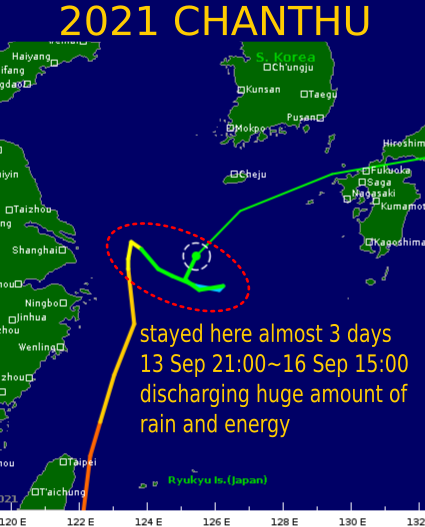
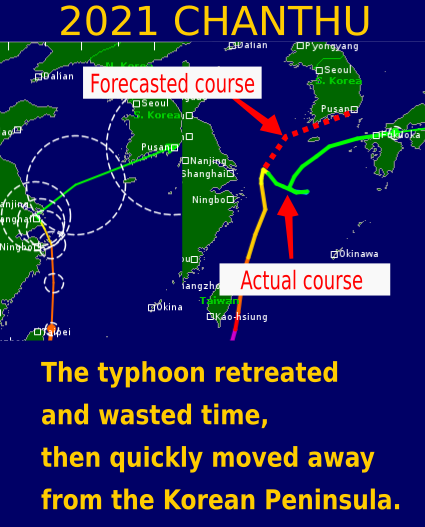
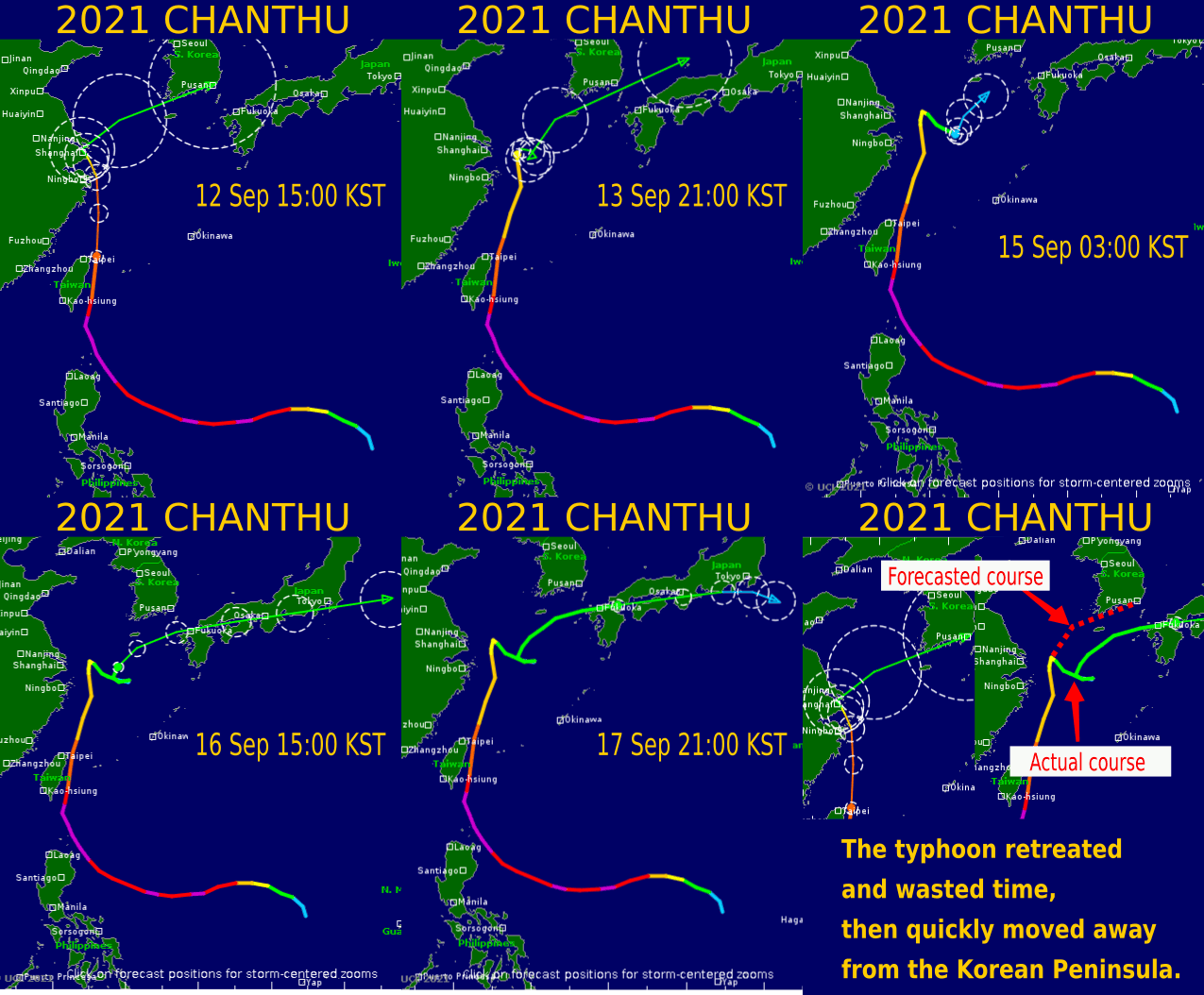
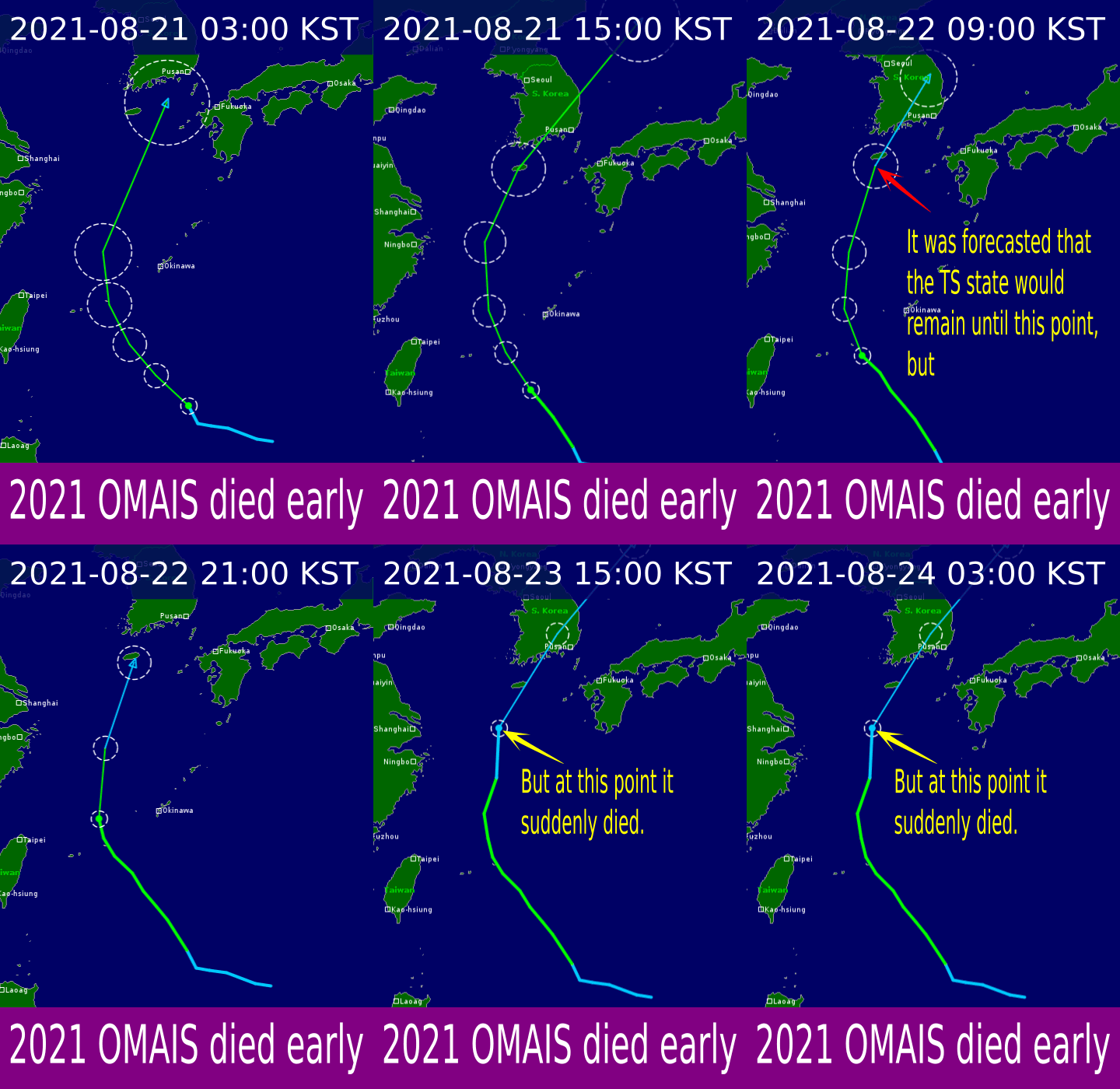
The year 2021 brought its share of typhoon activity. Yet, the nation continued to experience remarkable safety. Powerful storms like Chanthu and Omais, despite their initial intensity, did not inflict the widespread damage that might have been expected. Instead, their trajectories and strengths were notably altered. This ongoing phenomenon shows how Korea is protected from typhoons through unexpected shifts in weather patterns.

2020
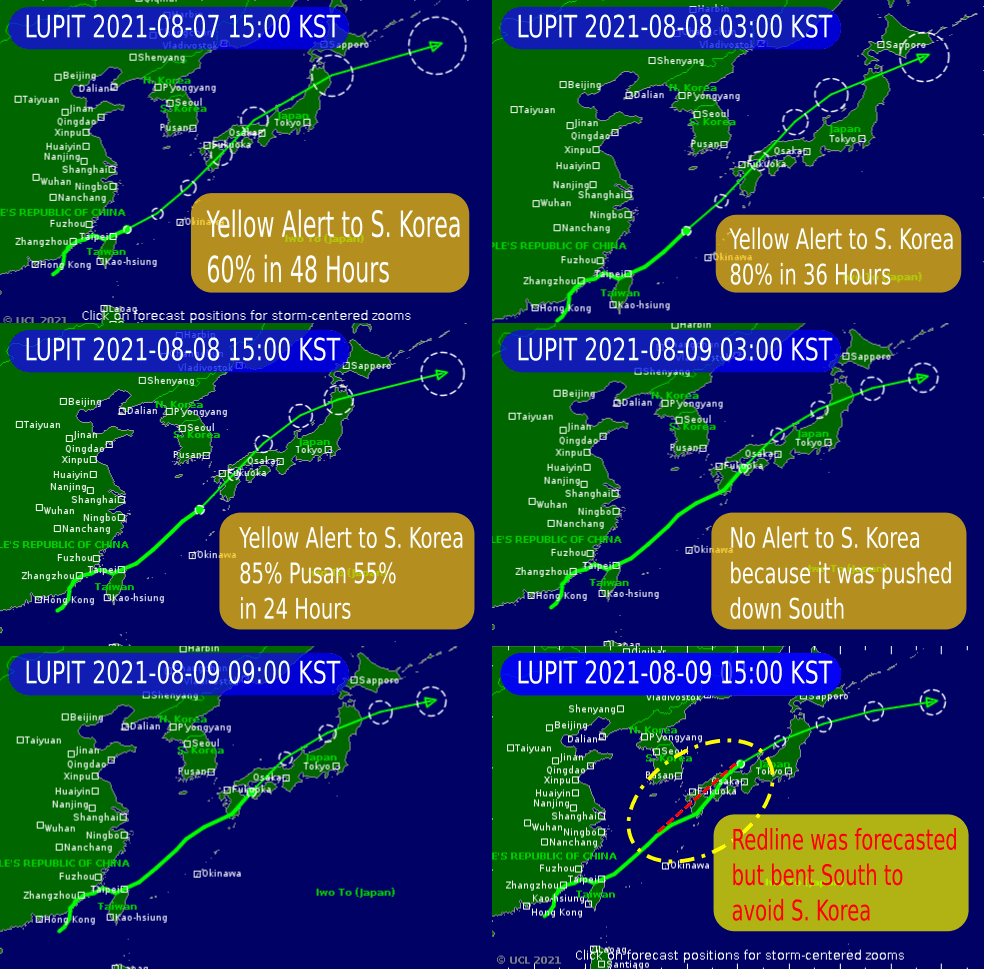
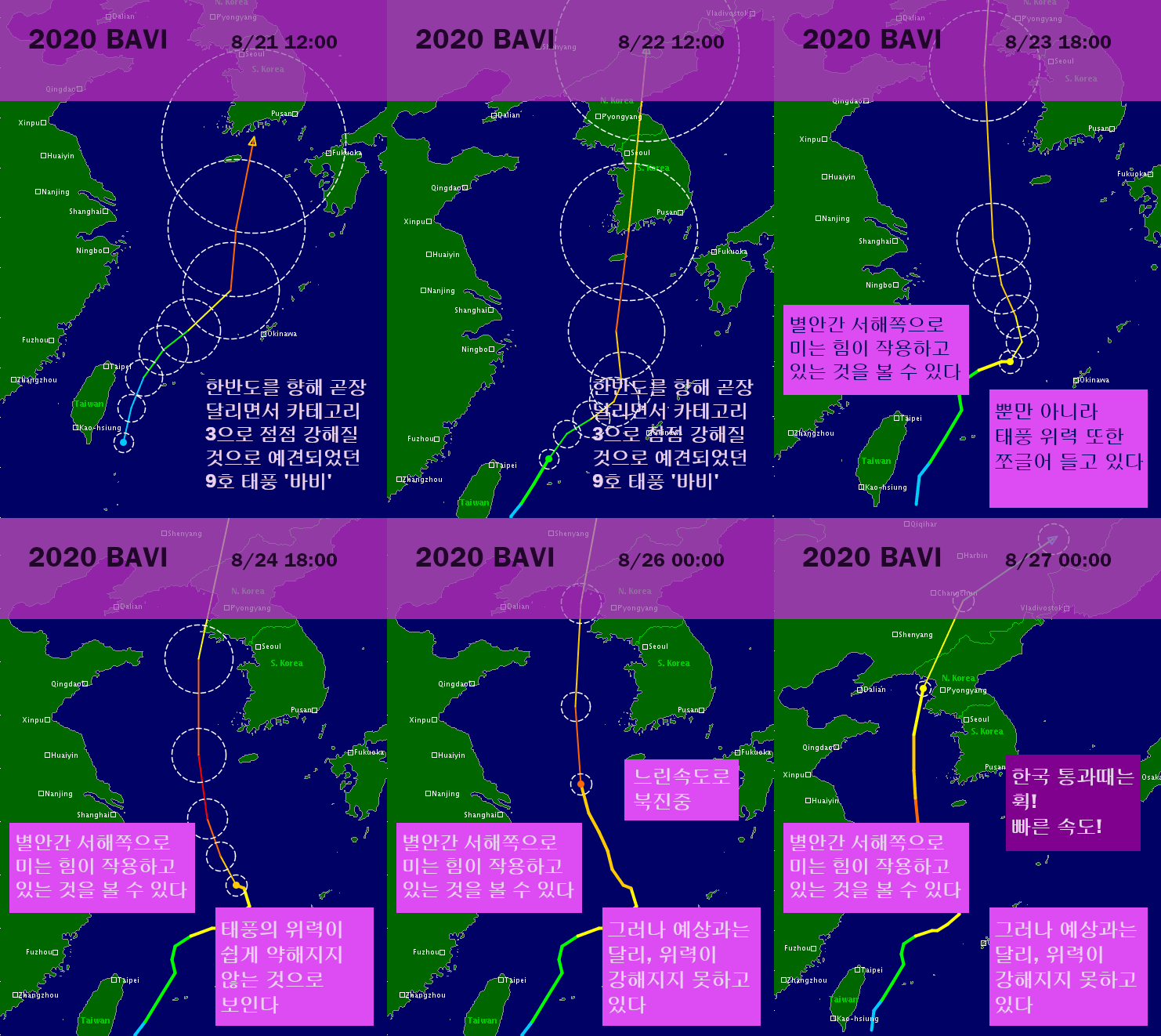
In 2020, several major typhoons were predicted to strike the Korean Peninsula with devastating force. However, each time, their paths or intensities were dramatically altered. This year provides particularly strong examples of how Korea is protected from typhoons, defying meteorological predictions. Consider the cases of Haishin, Maysak, and Bavi.
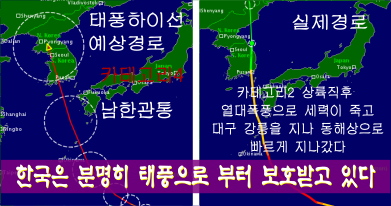
Typhoon HAISHEN, forecasted CAT 4~5 super typhoon pass through the peninsular, came as CAT1 and died just after landed
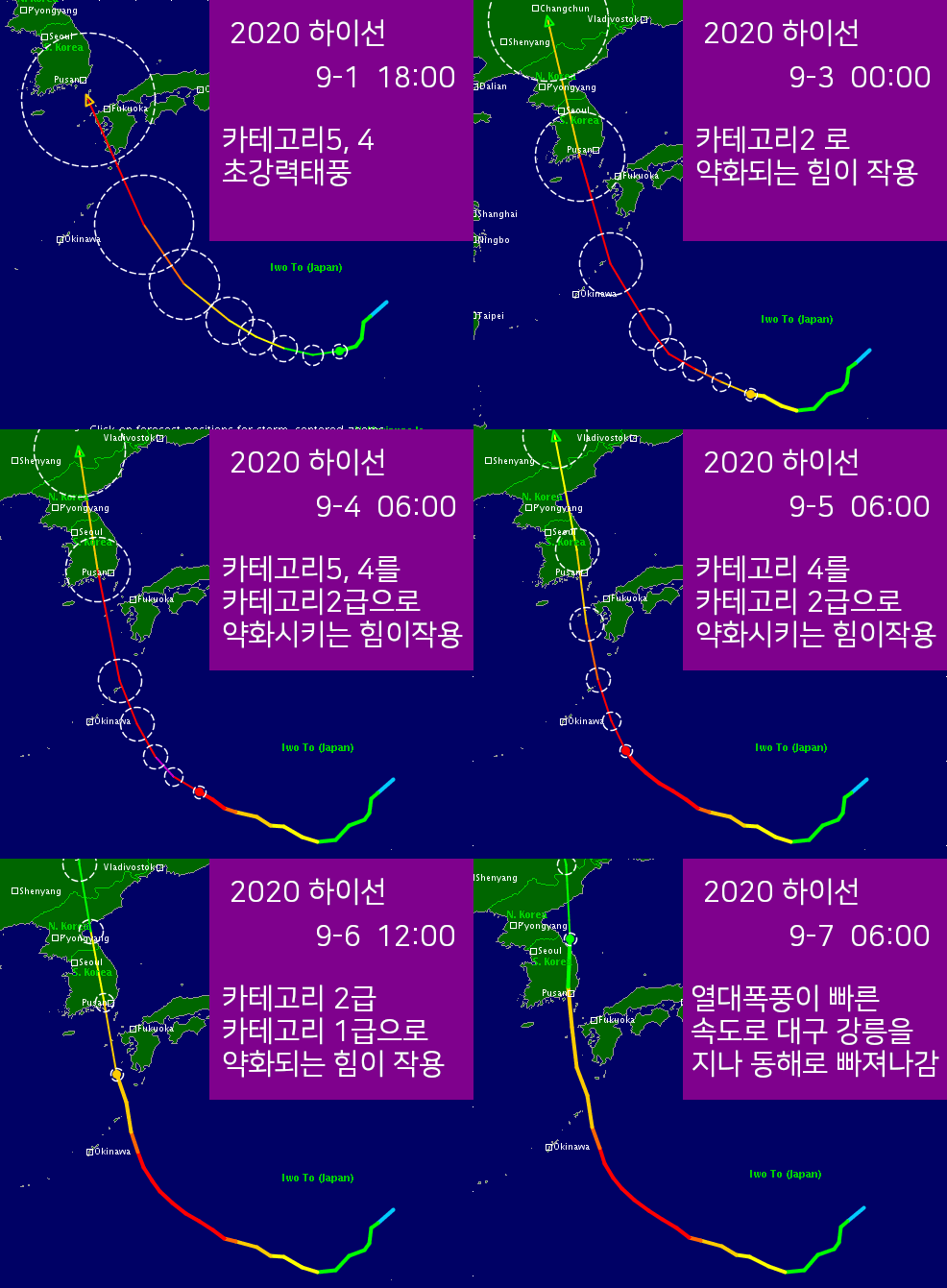
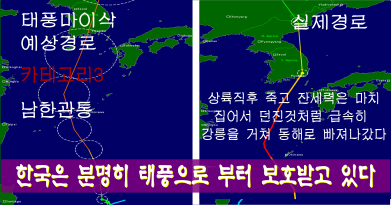
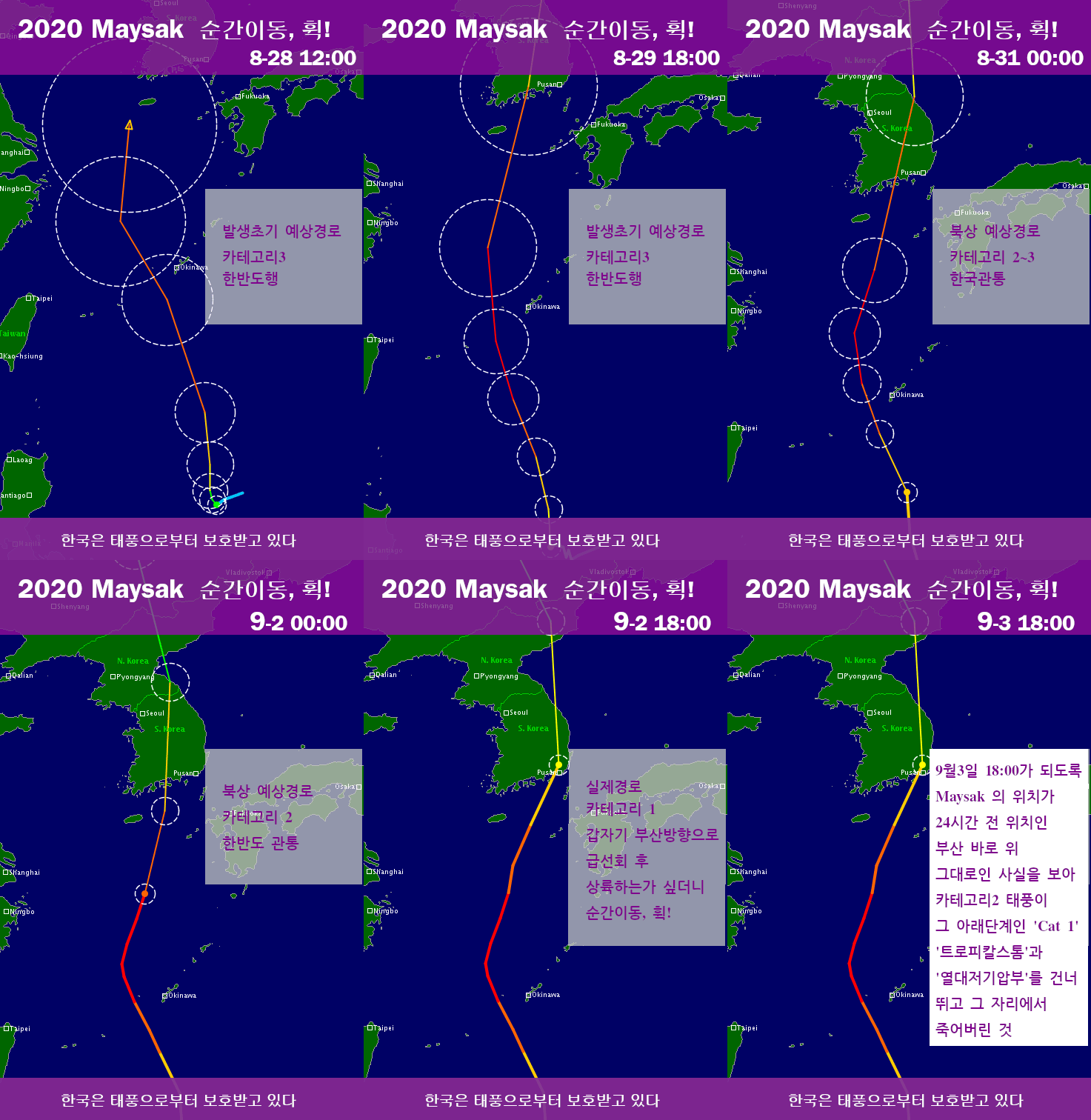
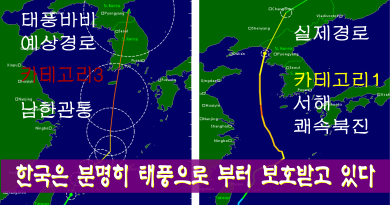
Typhoon HAISHEN was forecasted as a CAT 4-5 super typhoon. Yet, it weakened to a CAT1 and dissipated shortly after making landfall. Similarly, Typhoon MAYSAK, predicted as a CAT3, arrived as a CAT2 and quickly died out after landing. Furthermore, Typhoon BAVI, also forecasted as a CAT3, passed along the West Sea as a CAT 1-2 at an incredibly fast speed. These instances clearly illustrate a pattern of divine intervention.
2019
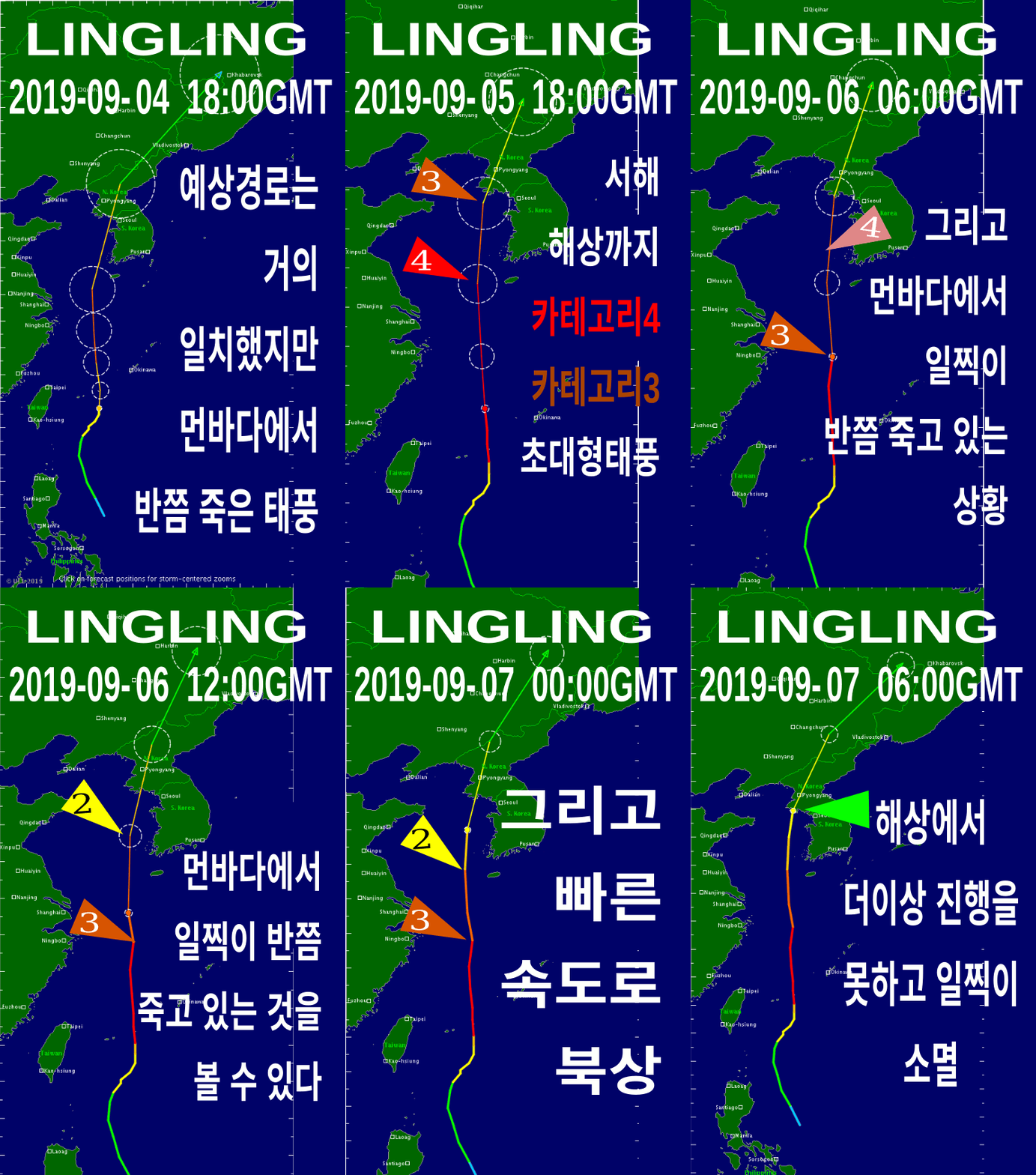
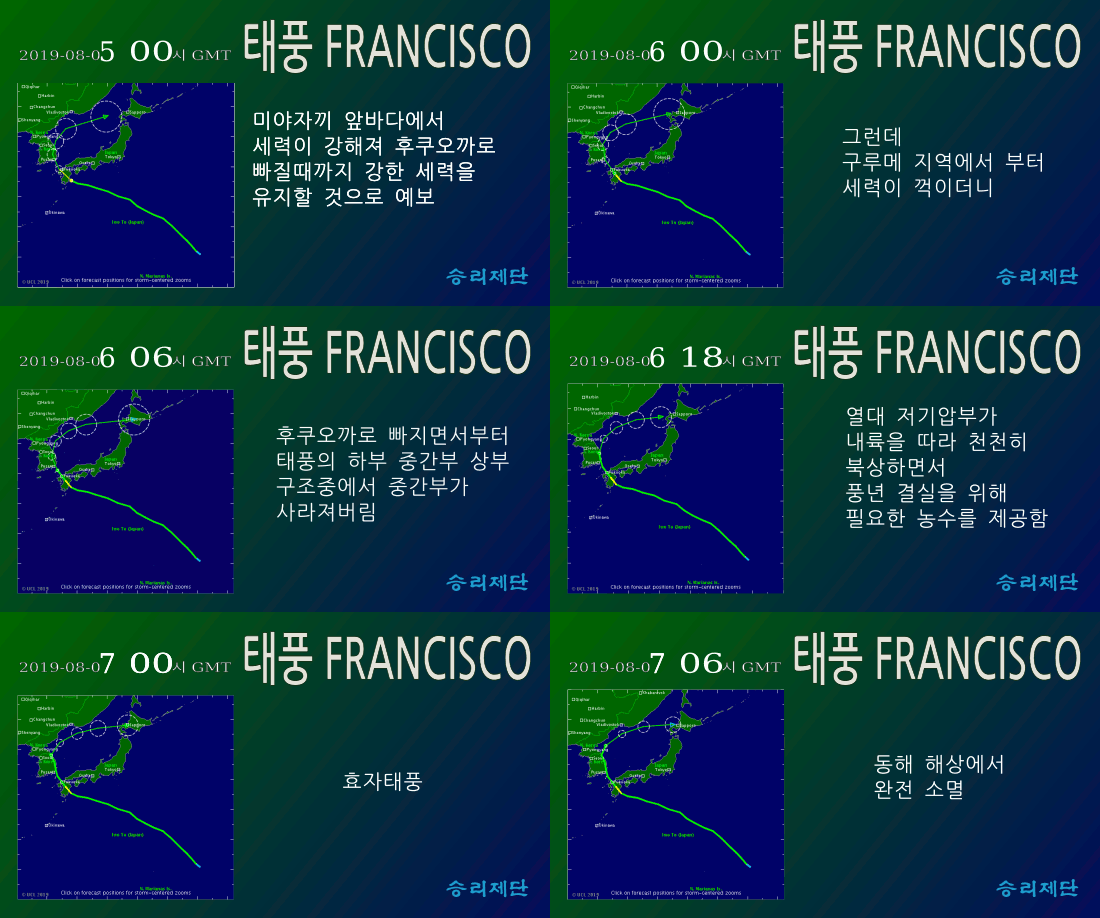
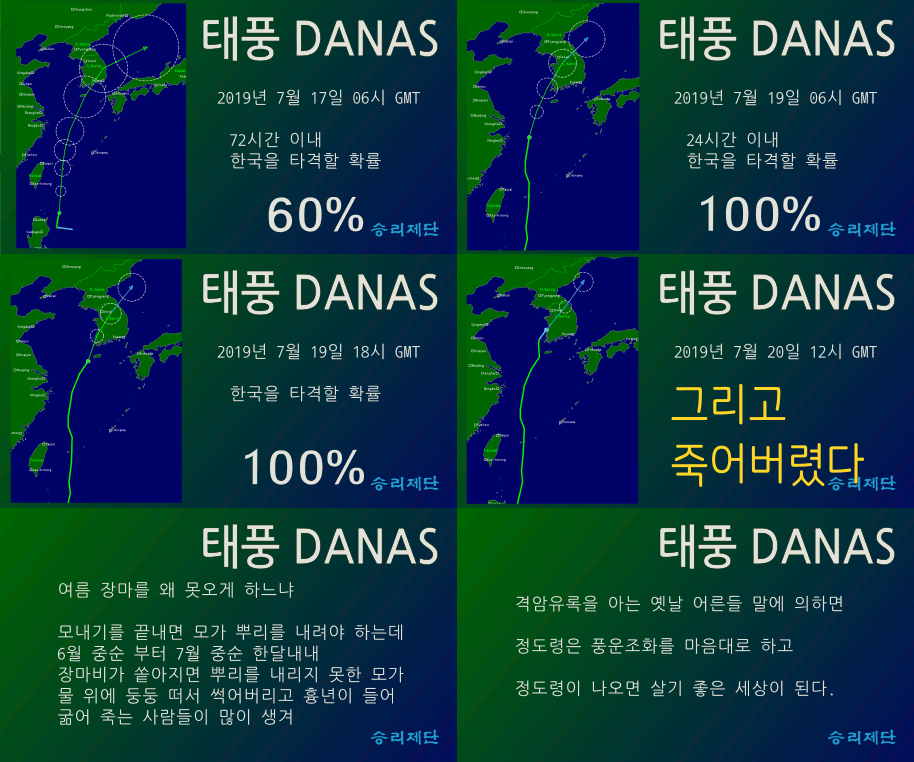
The year 2019 also showcased remarkable instances of Korea protected from typhoons. Indeed, several powerful storms approached the peninsula, only to be diverted or significantly weakened. This consistent protection highlights a divine hand at work, guiding these natural forces away from potential devastation. Let’s review some key examples from this period.

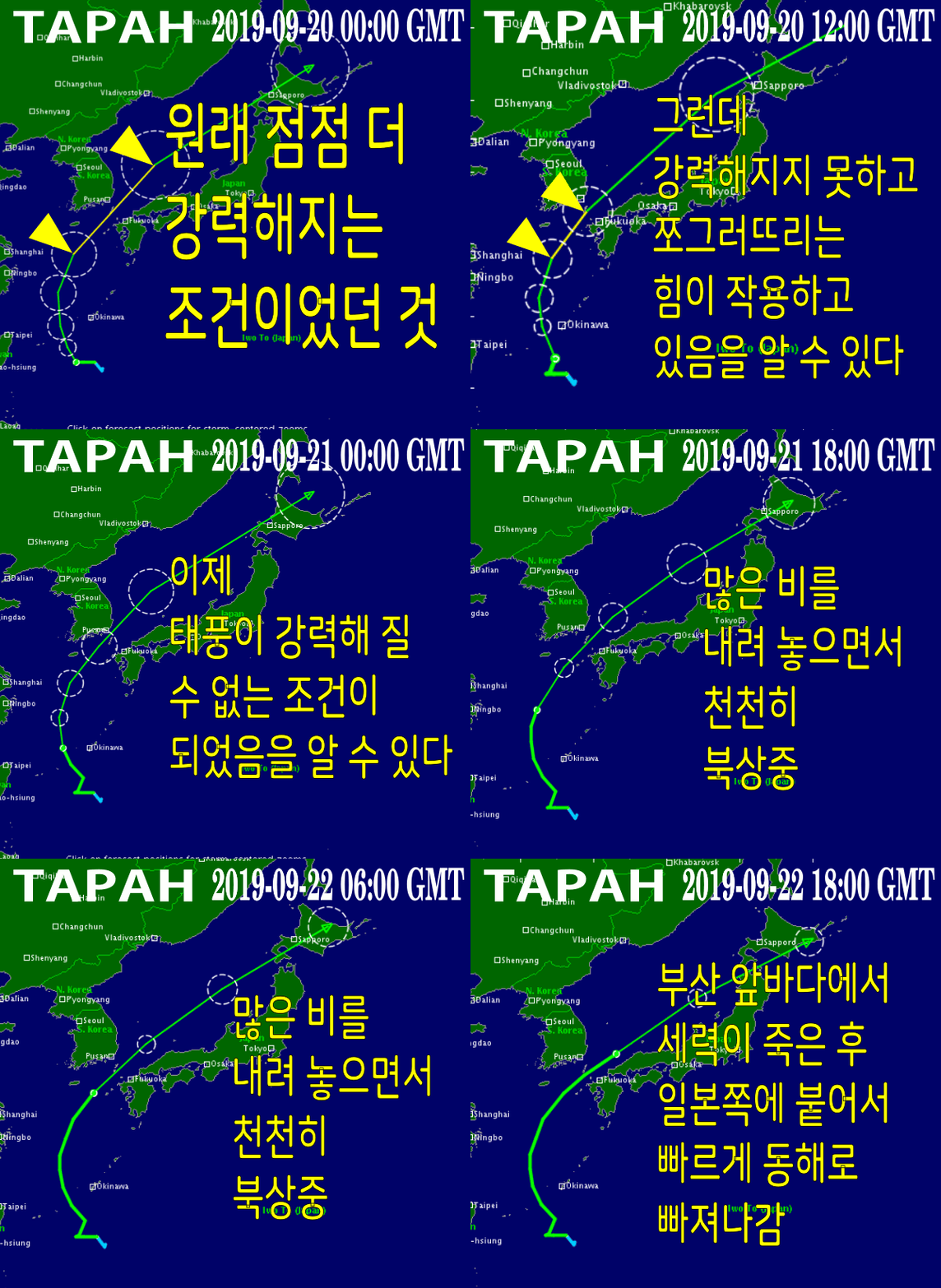
Typhoon MITAG, for instance, was unexpectedly forced to change its course. It passed harmlessly between Korea and Japan while simultaneously weakening. Similarly, Typhoon TAPAH dissipated near Busan and moved at a very fast speed, minimizing its impact. These events are not mere coincidences; rather, they suggest a purposeful intervention.
2018
Even in 2018, the pattern of divine protection continued. Specifically, typhoons that posed significant threats to the Korean Peninsula either weakened unexpectedly or changed their projected courses. This consistent safeguarding further strengthens the argument that Korea is protected from typhoons through a higher power. Let’s examine the paths of Soulik and Prapiroon.
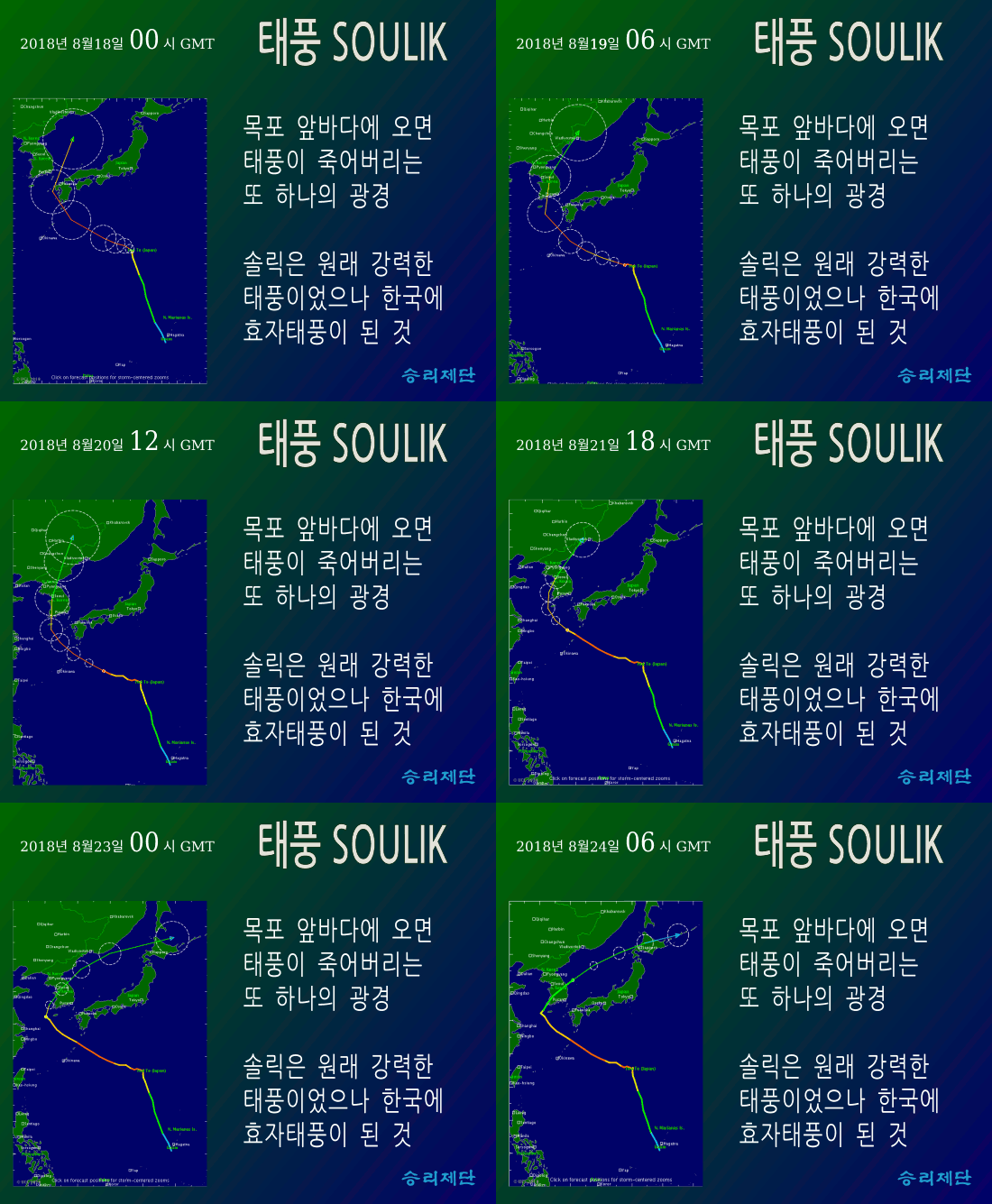
Typhoon SOULIK, initially a super typhoon, unexpectedly dissipated upon reaching the sea off Mokpo. Furthermore, Typhoon PRAPIROON, which was predicted to make landfall on the west coast, was instead pushed southward. It passed safely between Korea and Japan. These dramatic shifts in trajectory and intensity are compelling. They offer clear evidence of a protective force at work.